The MiSTer WonderSwan core alone needs more logic than this 20K-LUT FPGA has. So its CPU was rebuilt: a microcoded 80186 turned into a V30MZ, about 2.4× smaller, verified on 62 000 instruction tests and timed against real hardware. The board outputs HDMI and has a Pocket-style menu, and the whole build uses open-source tools.

The GW2AR-18 has 20 736 LUTs. The MiSTer core synthesised to about 21 900 before any HDMI, SDRAM or menu logic was added. These are the steps that got it to 75%.

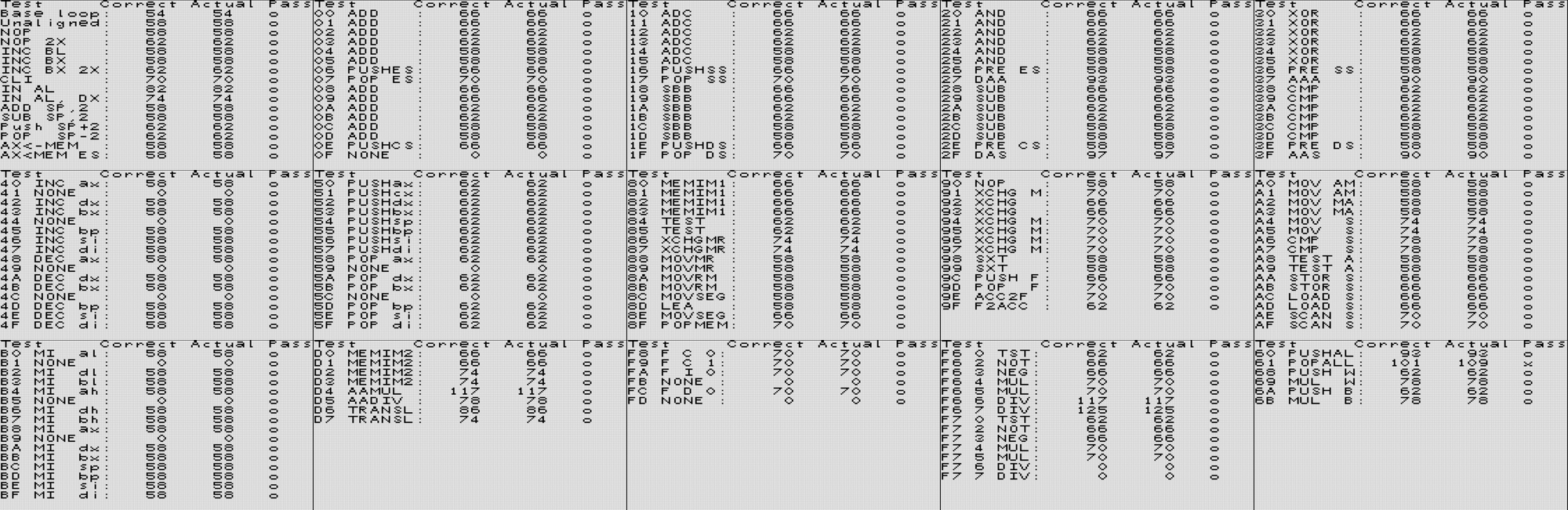
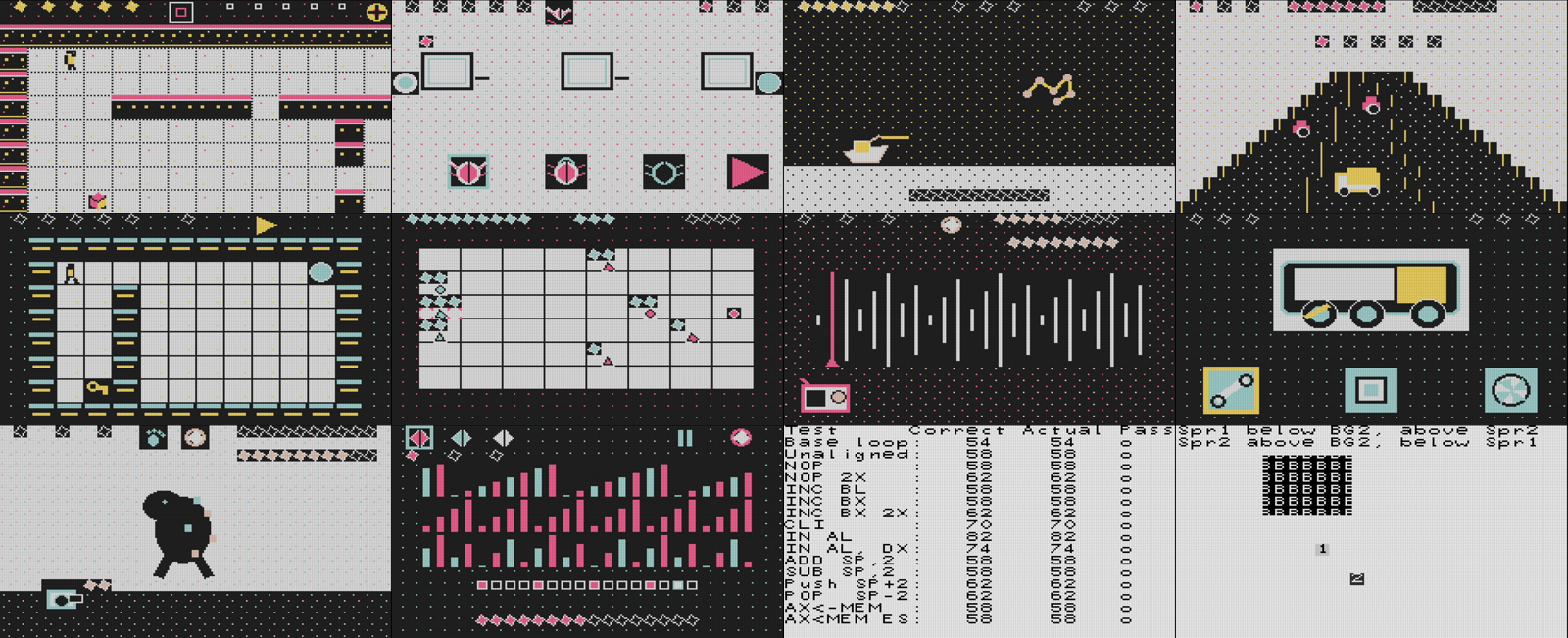
timingtest running on the board: every opcode page matches the timings of a real WonderSwan, except POPA (2 cycles slow)
• NEC V20 hardware tests. SingleStepTests, 200 per opcode form, run in a Verilator bench. They found real s80x86 bugs: CALL FAR with a segment prefix, DAA flags.
• Lock-step against MiSTer. Its V30MZ CPU, converted to Verilog with GHDL, runs the same inputs. Differences were fixed where the V30MZ behaves differently: logic-op AF, MUL ZF, AAM/AAD base 10, PUSH SP.
• Cycle-exact timing. Every instruction is padded to its V30MZ cycle count. The table was calibrated with real-hardware timing tests and handles odd jump targets, free prefixes and REP string ops.
• Open boot stub. 42 bytes replace the copyrighted Bandai IPL.
A handheld-style system around the core, shared with Open Pocket GBC.
The mode is picked from the cartridge footer or forced in the menu. Games run from SDRAM, with an 8-byte burst cache for code.
720×480p. The 224×144 picture is scaled 3× to 672×432, triple-buffered, with stereo audio.
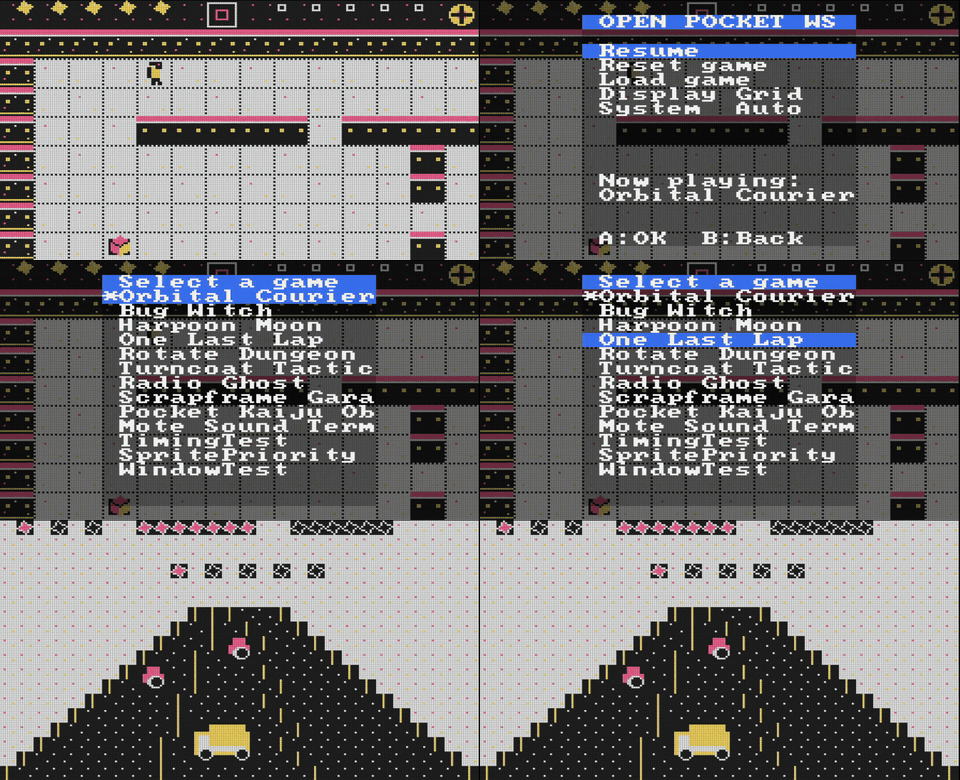
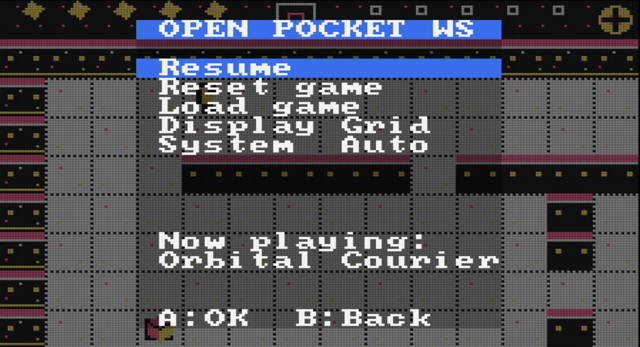
Resume, reset, load game, LCD grid or scanlines, system mode. The game pauses behind the menu.
DualShock 2, GPIO buttons and a USB remote from the PC keyboard, which can also run scripted sequences.
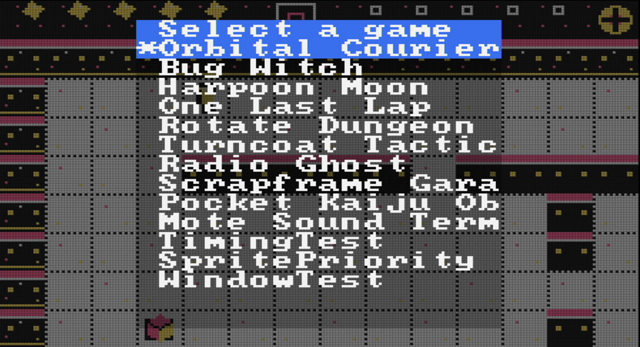
Up to 15 ROMs. The included games are the MIT-licensed SwanSong Originals.
GHDL, yosys + slang, nextpnr-himbaechel, Apicula, openFPGALoader, Verilator.
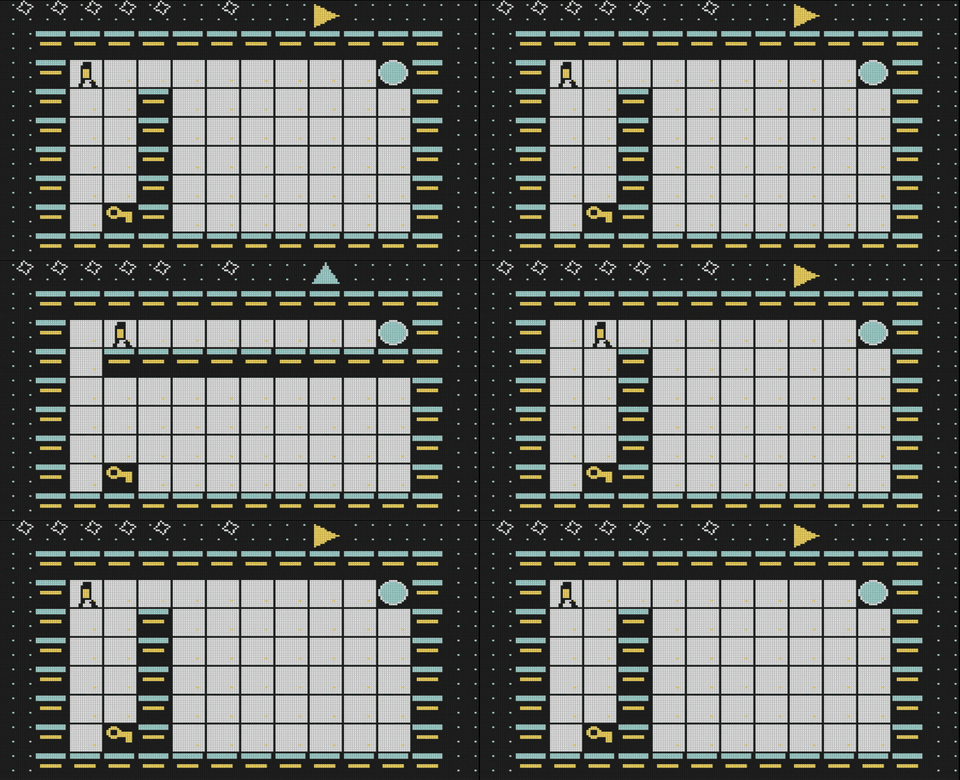
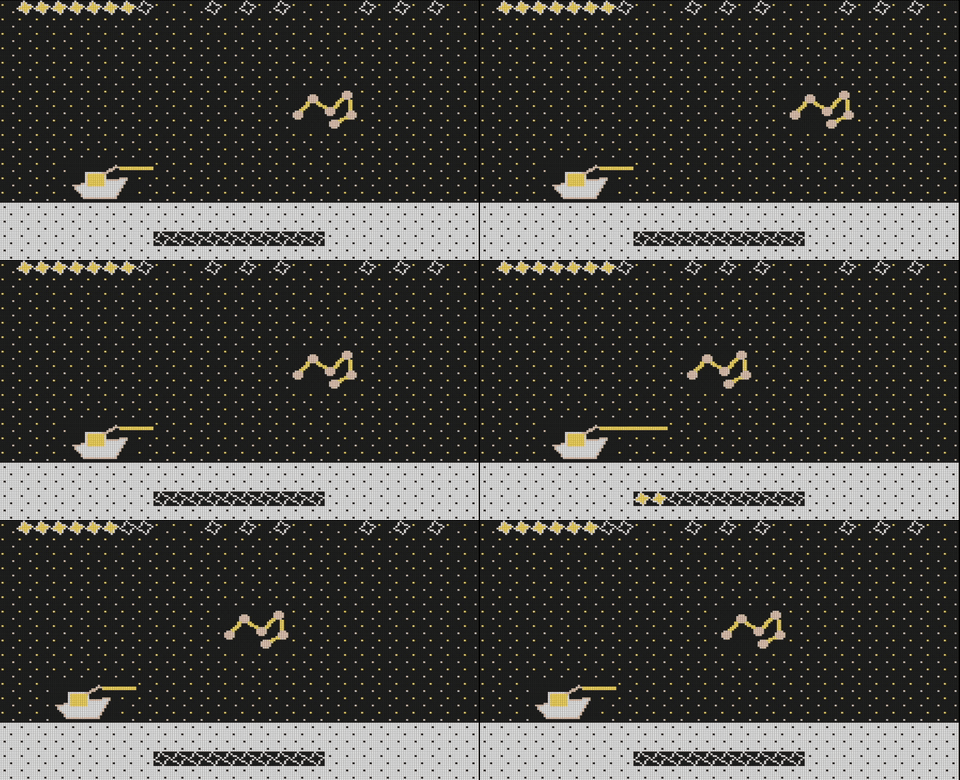
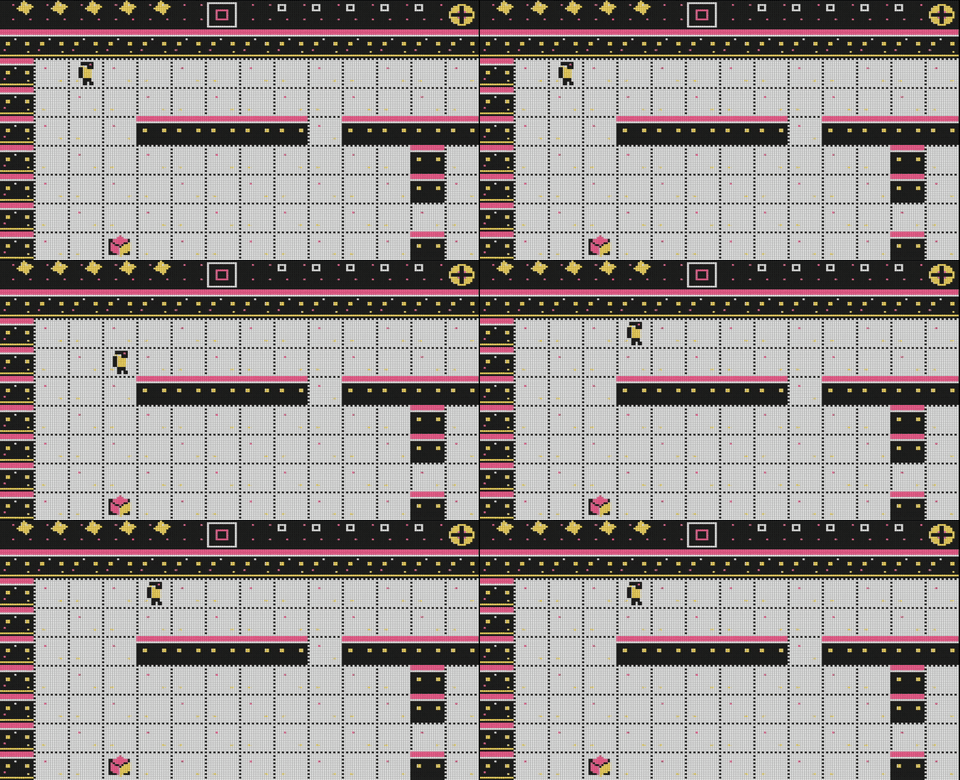
Everything was captured from the board over HDMI, with the buttons pressed over USB by tools/record.py.


The VHDL core goes through GHDL into a Verilog netlist. The CPU and the rest of the system are read by yosys-slang. nextpnr and Apicula produce the bitstream.
# bitstream (~10 min) ./build.sh ./flash.sh flash # games at 0x200000 python tools/make_games.py build/games.bin \ games/swansong/one_last_lap.wsc="One Last Lap" ./flash.sh games
# CPU instruction tests (Verilator) ./tools/build_tb.sh ./build/vcpu/VCore.exe build/v20/00.txt # whole core with a ROM, random SDRAM latency LAT=6 ./build/vws/Vws_core.exe games/timingtest.ws 40
The detailed write-ups live in the repository.